A pair of wellington boots is an awkward parcel. They are long, hollow, and light enough to end up at the top of a sorting pile, yet heavy enough to slide around inside a loose box and scuff themselves before they get there. Packed badly, knee-highs arrive with creased shafts and mud-flecked heels. Packed well, they come out round, clean and ready for the yard. The routine below takes about fifteen minutes and no specialist kit.
Measure the boots before you choose a box
Lay the boots flat and measure from the back of the heel to the very top of the shaft. Then measure across the widest part of the sole. You need a box that clears both figures with a few centimetres to spare on every side — not one that fits like a glove. Tight boxes leave nowhere for padding, and padding is what absorbs the knocks in transit.
What to use
- A new double-wall corrugated box. The extra layer of board costs little and holds its shape when other parcels are stacked on top.
- A sturdy boot box inside a larger shipping box. The original packaging is fine as an inner layer, but it is rarely strong enough to travel on its own.
- A heavy-duty plastic mailing bag only as a last resort, and only over a padded box. On its own, a bag offers almost no protection to a tall rubber shaft.
What to avoid
Do not roll tall wellies into a poster tube. Rubber takes a set, and a shaft that has been curled for three days in a van will remember it. Equally, resist folding a boot in half to fit a short box unless there is no alternative. If you must fold, stuff the shaft first and pad the crease above the ankle with bubble wrap so the rubber is not pinched against itself.
Finally, weigh and measure the finished parcel. Boots are bulky rather than heavy, and most couriers charge on volumetric weight — the space the box takes up — so an oversized carton can cost you more than it saves.
Clean, dry and inspect the boots
Wipe off mud and grit with a damp cloth, then let the boots dry completely inside and out. Stuffing the shafts with crumpled newspaper overnight draws moisture out of the lining. This matters more than people expect: rubber sealed in a box while still damp will smell sour by the time it arrives, and some couriers will refuse a parcel that is visibly dirty or leaking.
Next, deal with the loose parts. Buckles, removable straps, insoles and linings should come off and travel in a small bag tucked alongside the boots, not left dangling where they can press a dent into the rubber or rattle against the sole.
Pad the boots themselves
Wrap the boots before they go anywhere near the box. Work through these steps in order:
- Bag each boot. A poly bag or a sheet of tissue keeps dust and dirt off the box and stops the rubber marking the cardboard.
- Wrap each boot in bubble wrap. On glossy rubber, keep the flat side of the wrap against the boot so the bubbles do not print a pattern into the surface. Tape the wrap to itself — never directly onto the boot.
- Stuff the shafts lightly. Crumpled kraft paper or a couple of air pillows inside each shaft hold the shape without stretching it. Lightly is the key word; cramming can distort the opening.
- Pair them up. Place a sheet of card between the two boots so soles and buckles cannot rub, then wrap the pair together.
- Lower them in, soles down. Upright boots are easier to protect than boots lying on their side, because the weight sits on the sole instead of the shaft.
Fill every gap in the box
An empty corner is a corner where the boot will slide. Pack crumpled paper, air pillows or offcuts of bubble wrap around the sides, into the bottom corners and over the top of the boots until the contents feel firm.
The shake test
Close the lid without taping it and give the box a gentle shake. If you can feel or hear anything moving, open it and add more fill. When the contents are packed properly, the box should move as a single solid block. Only then reach for the tape.
Seal the parcel properly
Use 48mm packing tape — the wide, clear or brown stuff made for cartons. Masking tape peels off in the cold, string cuts into hands at the depot, and duct tape is a poor choice on the outside of a parcel: it softens with heat, gums up sorting machinery and can catch on other items.
The H-tape method
Run one strip down the centre seam of the lid. Then run a strip along each end seam, letting the tape wrap a few centimetres down the sides so it grips the walls as well as the lid. That gives you the shape of an H and a box that will not pop open if it is dropped. If the lid bulges while you tape it, there is too much inside; repack rather than taping it shut under strain.
Labels, addresses and old barcodes
Print the delivery address rather than writing it by hand — a printed label is far less likely to be misread. Put the address on the top of the box and on one side, and add your own return address in smaller type underneath. Tuck a paper copy of both addresses inside the box as well, in case the outer label is torn off.
Keep the barcode flat and away from seams, corners and edges, where it can crease or be scuffed. Cover paper labels with clear tape for weather protection, but be careful with thermal-printed labels — some smudge under tape, so a clear adhesive pouch is a safer option. Before you seal anything, strip off every old label and barcode from a reused box. A stray barcode from a previous delivery is one of the most common reasons a parcel goes to the wrong depot.
If the boots are expensive or hard to replace, ask about cover or declared value when you book the courier, and photograph the packed box next to the label before it leaves. It takes ten seconds and settles most disputes.
Final checks before the courier arrives
- The boots are clean, dry and free of loose mud.
- Straps, buckles and insoles are bagged separately inside the box.
- The parcel passes the shake test and is sealed with wide packing tape.
- The address appears twice, plus a copy inside, and no old labels remain.
- The box is within your courier's size and weight limits.
- For international parcels, the customs description is accurate and simple — "rubber footwear" with the correct value is better than something vague.
Then hand it over, keep the tracking number somewhere you can find it, and send it to the recipient. Do those checks once and the boots will arrive as they left: upright, dry and ready to be pulled on at the door.
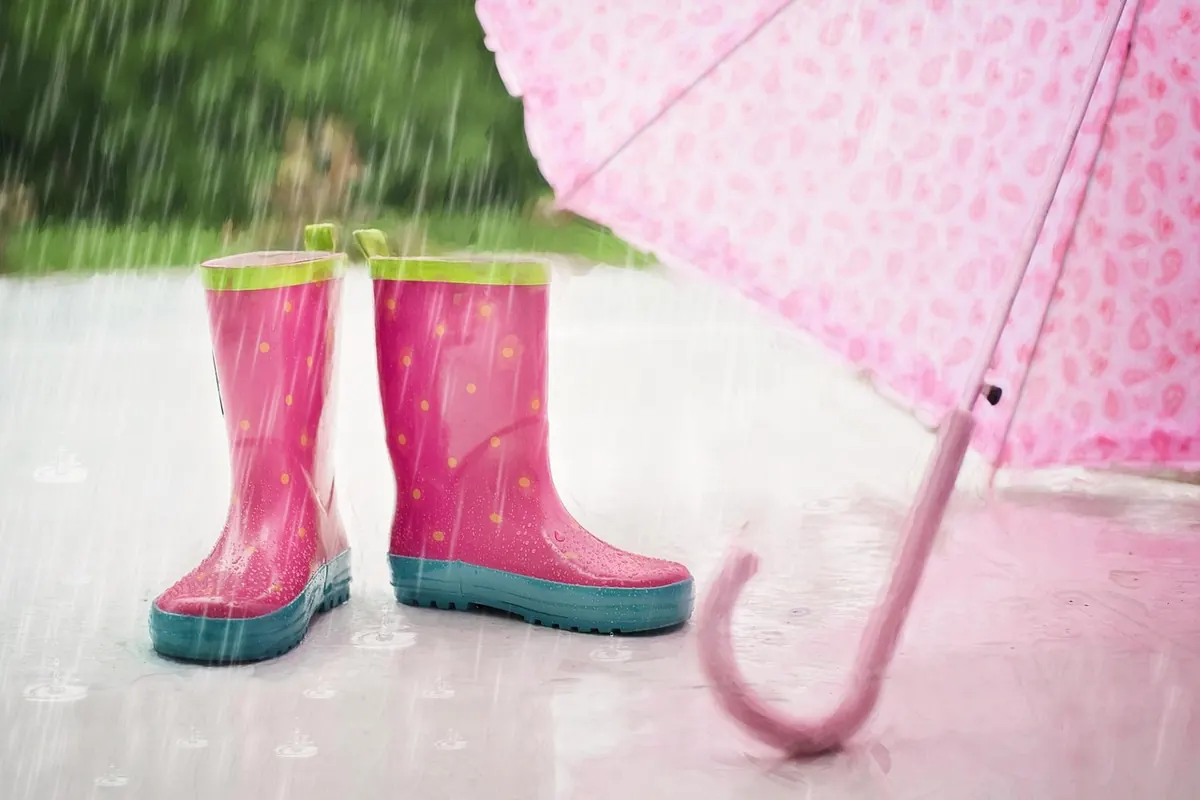
Photo: JillWellington / Pixabay